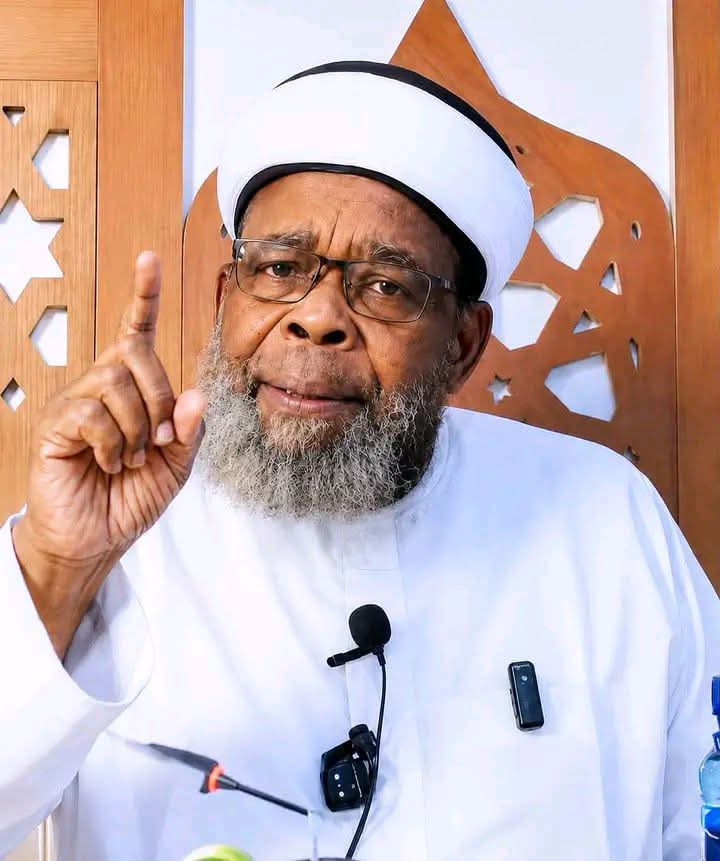
Islamic Scholar Attacked in Sokoto, Suspect Reportedly Killed at Mosque
By Jabir Ridwan An Islamic scholar in Mabera area of Sokoto State Malam Musa Ayuba popularly known as Lukuwa was […]

 Islamic Scholar Attacked in Sokoto, Suspect Reportedly Killed at Mosque
 Sokoto Specialist Hospital CMD Refutes Claim of No Doctors at Emergency Ward
 Corruption, Others Reducing Confidence in Nigerian Police, Affecting Intelligence Sharing — Study
 Presidency Faults Atiku’s ‘Open Borders’ Promise, Says Nigeria’s Borders Are Already Open
By Jabir Ridwan An Islamic scholar in Mabera area of Sokoto State Malam Musa Ayuba popularly known as Lukuwa was […]
By Umar Ismaila, Sokoto The Chief Medical Director (CMD) of Sokoto Specialist Hospital, Dr. Attahiru Isa, has dismissed as false
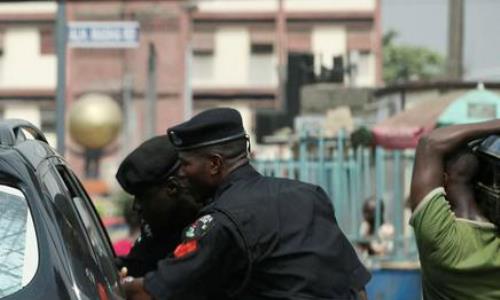
By Jabir Ridwan A new study has found that corruption and misconduct among police officers are significantly reducing public confidence in the Nigeria Police Force (NPF) and affecting citizens’ willingness to share intelligence with the force. The research, conducted by James Ojo Adakole and published in IRE Journals, surveyed 256 Nigerians, to assess public trust and perception of the police and how these attitudes shape intelligence sharing in the country’s fight against insecurity. Findings showed that corruption and misconduct rank among factors eroding public confidence in the police. According to the study, 84.8% of respondents said corruption and misconduct reduce their confidence in the NPF, while 85.2% said they do not believe the force treats citizens fairly and without bias. Also, 67.6% said police officers in their areas do not conduct themselves professionally when interacting with the public. Beyond corruption cases, the study found that most Nigerians sampled had low trust in the police. While 62.9% of the respondents said they do not trust the NPF to protect lives and property in their communities, 72.7% said they lack confidence in the force’s ability to respond effectively to security threats. This distrust, the study found, is mainly shaped by personal experience rather than hearsay. The researcher also found that this trust deficit has a direct bearing on intelligence sharing. Although a comparatively high number of Nigerians sampled expressed willingness to cooperate with the police — 74.6% said they would report suspicious activities, and 84.4% said they would share useful security information to help prevent crime — the study established that such cooperation is closely tied to how much citizens trust the force. For instance, 52% of respondents said their willingness to share intelligence depends on their level of trust in the police, while 88.7% said they would be more willing to cooperate if that trust improved. This finding, the researcher noted, aligns with the Institutional Trust Theory underpinning the study, which holds that citizens cooperation with and support for an institution largely depends on the level of trust they have in such an institution. The study further showed that many citizens willing to share intelligence with the police are held back by fear. 68.4% of respondents said they do not feel safe sharing intelligence with the police over concerns of intimidation or victimisation, while only 35.2% trust the police to handle citizens’ information confidentially. To address these challenges, the researcher recommended that the NPF intensify efforts to weed out erring officers, introduce regular training on public engagement, and organise interactive community sessions to address recurring grievances. The study also called for concrete safeguards, including confidentiality protections, to reassure citizens and encourage more open cooperation with the police in the country’s fight against insecurity. According to the researcher, the study became imperative given how integral citizen-led intelligence is to addressing rising insecurity in Nigeria. “At a critical time in the country’s history, Nigerians need the police to dismantle rising criminal networks that have made many of them feel largely unsafe on the road and in their homes. Without public goodwill, however, this will be a tall order for the Nigeria Police Force to achieve. The police must therefore dissipate more efforts and resources to build trust and address negative perceptions of the force through professionalism and improved efficiency in the discharge of its constitutional duties,” the study concluded.
By Jabir Ridwan The Presidency has faulted former Vice President and African Democratic Congress (ADC) presidential candidate, Atiku Abubakar, over
By Umar Ismaila, Sokoto The Sokoto State Hisbah Board has denied allegations circulating on social media that it is
By Umar Ismaila, Sokoto Northwest University Sokoto (NWUS) has warned prospective students, parents and guardians against a fraudulent admission notice
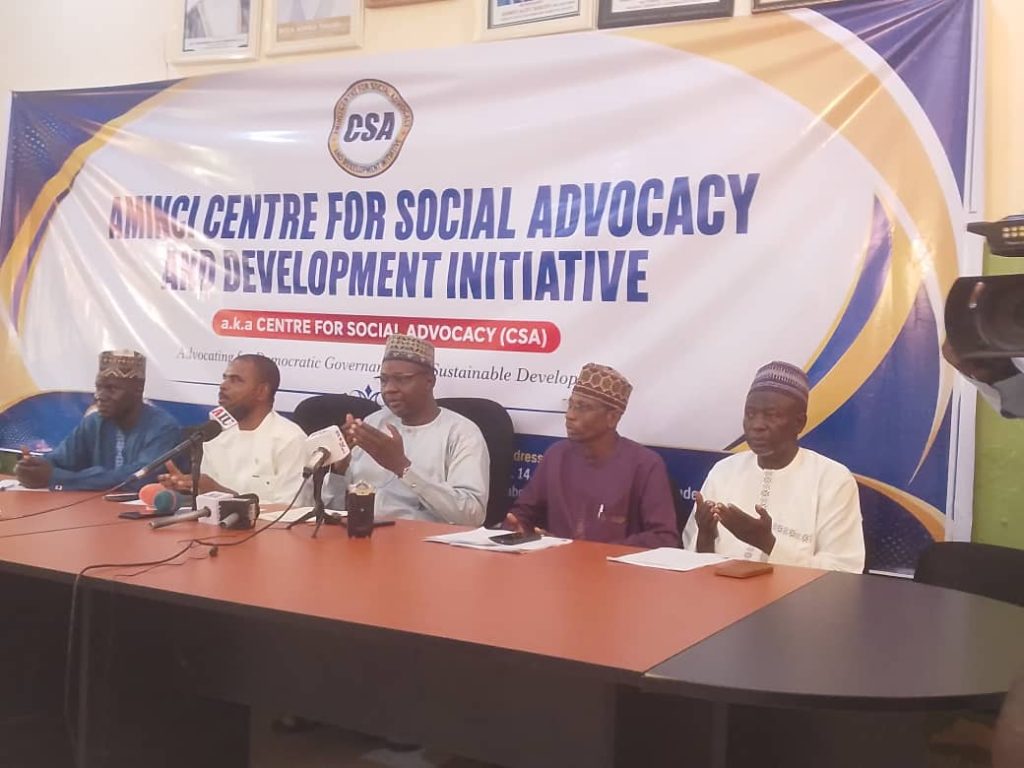
By Ismail Umar, Sokoto The Aminchi Centre for Social Advocacy and Community Development Initiative has rejected the 14-day ultimatum issued
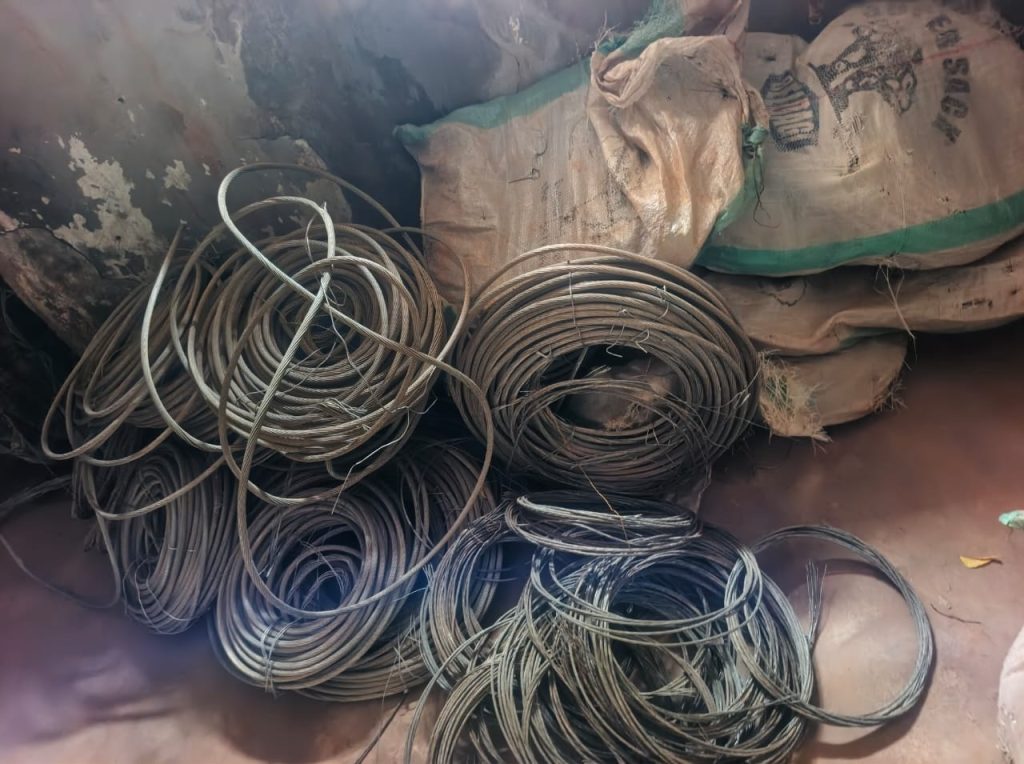
By Editor The Kebbi State Police Command has recovered a large quantity of stolen electricity service cables in Bunza Local
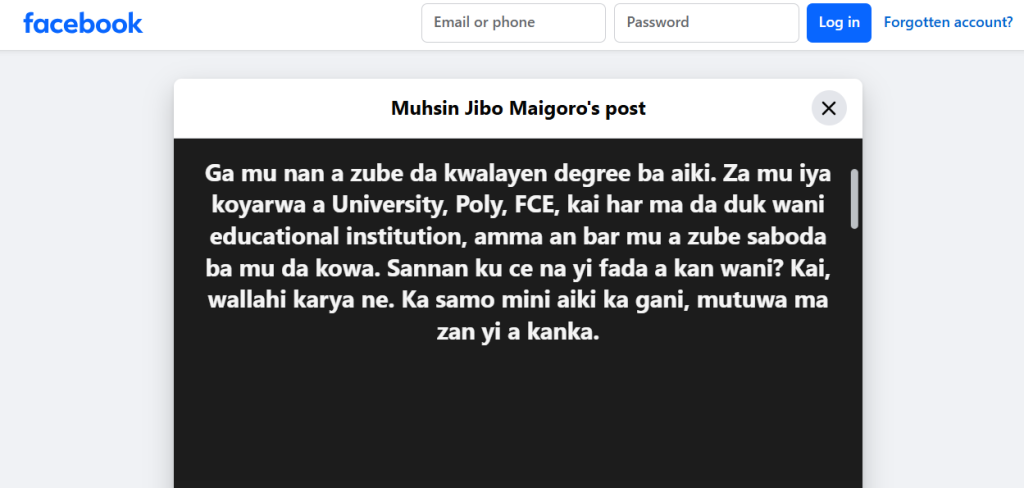
by Abdulaziz Bagwai A recent facebook post shared by one Muhsin Jibo Maigoro sparked long-held desperation of the growing unemployment

By Editor Face of Liberty International, a nonprofit group in Nigeria, has called on young Africans to take greater responsibility