


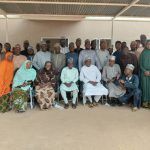


Dr Dahiru Muhammad Hashim, Commissioner for Environment and Climate Change in Kano State, launched the state’s first-ever Climate Change Policy in July 2025 to curb emissions. About a year later, he risks intensifying air pollution and worsening the state’s already severe public health crisis.

By Abdulaziz Bagwai
In July 2025, Kano State launched a comprehensive Climate Change Policy, which seeks to champion the State’s transition towards a low emission rate. Led by the Ministry of Environment and Climate Change under its Commissioner, Dr Dahiru Muhammad Hashim, the policy promises to pave the way for climate change mitigation and adaptation across key sectors, including transport, in the State.
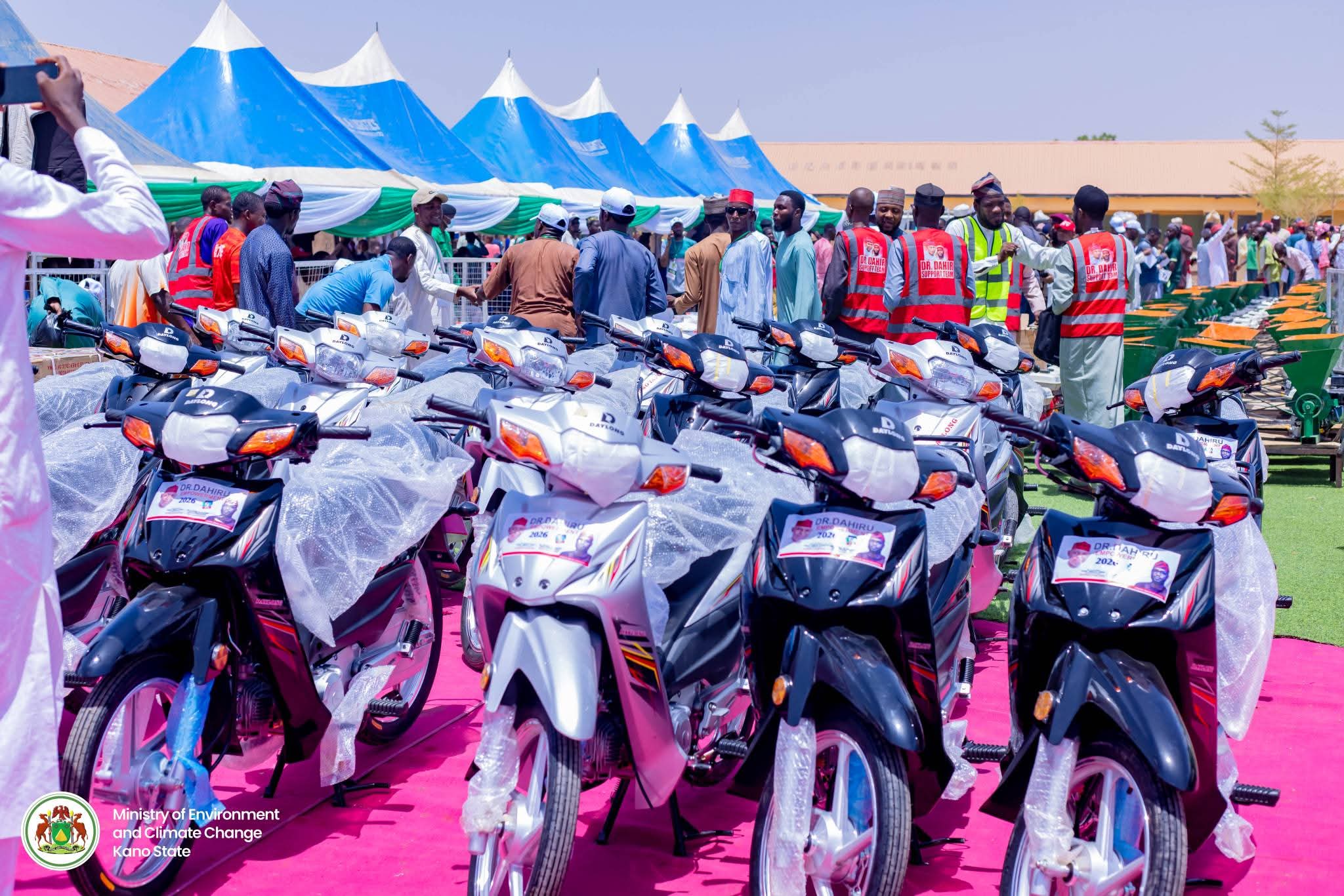
On Saturday, May 9, 2026, the commissioner shared on his Facebook account that, inspired by the Executive Governor, Abba Kabir Yusuf, he had facilitated the distribution of empowerment items to over 1,400 beneficiaries. These items included sewing and pasta-making machines, petrol-powered motorcycles, and grinding machines. This action creates a direct contradiction, as high-level commitments to sustainability clash with reality. Adding more fossil-fuel-dependent vehicles will potentially increase the State’s emissions rate, which the commissioner had earlier campaigned to reduce by 30%.
Violation of Policy Ambitions
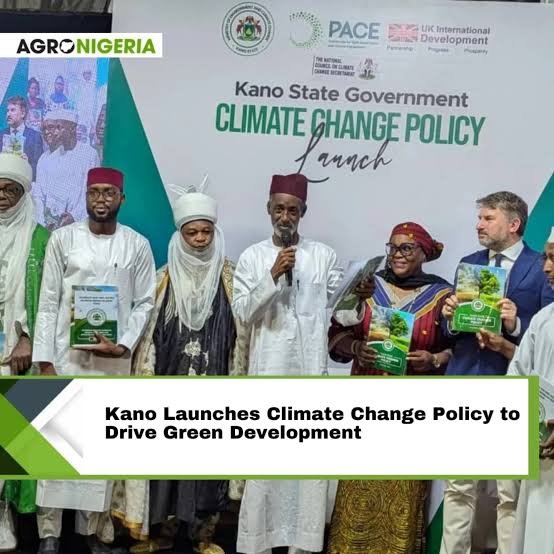
At the policy launch, the commissioner describe the initiative as both “symbolic and historic” and further said it provides “a strategic roadmap for mitigation and adaptation efforts in critical sectors such as agriculture, health, energy, and transport.” He also emphasised the State’s participatory development and commitment to a cleaner, more resilient future. The policy, which targets a 30% reduction in greenhouse gas emissions by 2030 and promotes sustainable transportation to curb urban pollution, aligns with Nigeria’s Nationally Determined Contributions goals, which seek to reduce greenhouse gas emissions by 32% by 2035.
Petrol-powered motorcycles and grinding machines are a major emissions sources in the state and across the country. According to a 2008 news report by The New Humanitarian, the city’s two million motorcycles produced fumes equivalent to six million cars. They emit high levels of carbon monoxide (CO), nitrogen oxides (NOx), hydrocarbons, particulate matter, and other pollutants due to inefficient combustion and often poor maintenance.
The addition of these major emissions sources through an empowerment programme will exacerbate the already intense air pollution, thereby intensifying the health crisis in the State. Under the current administration, Kano has recorded massive empowerment programmes where petrol-powered vehicles were disbursed. Most notably, the state governor distributed 600 petrol-powered motorcycles to social media influencers in January 2026. But the fact that the commissioner, who manages public funds to streamline the air pollution crisis, spearheaded this one is what makes it a major public concern.
The Public Health Threats
Experts say prolonged exposure to vehicular exhaust contributes to a range of respiratory and cardiovascular conditions. The exhaust, which contains CO and NOx, penetrates deep into the lungs and further into the bloodstream. A study conducted by the National Library of Medicine shows that CO reduces the oxygen-carrying capacity of blood, leading to tissue hypoxia. NOx and ozone precursors exacerbate asthma and other airway diseases.
In Nigeria, air pollution contributes to tens of thousands of premature deaths annually, with transport emissions playing a substantial role. Dr Ibrahim Musa told The New Humanitarian that vehicular fumes have the potential to cause skin cancer if one comes into constant contact with them, because of the engine oil added to the petrol. “A lot of cases that are common in Kano, including anomalies in the upper respiratory tract and eye infections, especially conjunctivitis, can be traced to the fumes people are always exposed to,” he added.
Dr Musa clearly linked Kano’s air pollution, largely caused by machinery emissions, with the rising cases of respiratory illnesses, including asthma, chronic obstructive pulmonary disease (COPD), bronchitis, and pneumonia. He also said long-term exposure correlates with cardiovascular diseases, reduced lung function, and potentially increased cancer risks.
Distributing additional petrol-powered machineries will likely compound these existing crises. Each new machinery adds daily emissions of CO, NOx, and particulate matter because beneficiaries use them for commercial activities on a daily basis. Therefore, the State should expect an increase in hospital visits for acute respiratory infections, aggravated asthma attacks, and cardiovascular events among children, pregnant women, and the aged, and a possible increase in mortality rates during pollution peaks.

Dr. Joseph Akpokodje, a Senior Environmental Specialist at the World Bank Nigeria Country Office, emphasized the need for innovative investment to reduce the worsening air quality in the country. While revealing that the main sources of outdoor air pollution are well beyond individual control, he noted that investment shortfalls could be curtailed through innovative financing.
To tackle this menace, Akpokodje canvassed for concerted action by local, national, and regional policymakers working across energy, waste management, urban planning, agriculture, and transport—the latter being the highest contributor. According to him, numerous successful transport technologies can empower communities and ultimately support the State’s emission-reduction mission.
But even when the policy itself explicitly linked environmental health to its objectives, recognizing the impact of air pollution on public well-being, the commissioner prioritises immediate livelihood tools without looking at cleaner alternatives like electric or compressed natural gas (CNG) alternatives. This misses a chance to align the empowerment with the policy’s green transport pillar and solarisation efforts, which the policy and the country’s federal government aim to deploy.
Note on sources: This article draws from publicly available reports on Kano’s Climate Change Policy launch and related environmental reports.