



Innocent Gabriel Ucheckukwu
When a worker spends a significant portion of his salary on transportation before the month is halfway gone, when a market woman watches the cost of moving goods rise faster than her profits, and when parents struggle to provide basic necessities despite working harder than ever, economic policies cease to be figures on government spreadsheets. They become matters of daily survival. This has been the reality for many Nigerians since the removal of fuel subsidy.
On May 29, 2023, President Bola Ahmed Tinubu announced that “fuel subsidy is gone.” The declaration marked one of the most significant economic policy shifts in Nigeria’s recent history. Many economists and fiscal policy analysts described it as a courageous reform that previous administrations lacked the political will to implement, while critics feared that ordinary citizens would bear the greatest burden. More than three years later, the debate remains as relevant as ever.
The question is no longer whether subsidy removal was economically justifiable. The more pressing issue is whether the sacrifices demanded of citizens are being matched by visible economic gains and improved living conditions.
For decades, fuel subsidy occupied a central place in Nigeria’s economic discourse. Governments maintained that it kept fuel prices affordable and provided relief for citizens. Critics, however, argued that the subsidy regime had become fiscally unsustainable, riddled with inefficiencies, and vulnerable to corruption.
The financial burden was substantial. Nigeria spent trillions of naira annually on fuel subsidies, limiting government investment in infrastructure, healthcare, education, agriculture, and social welfare programmes. Economists consistently argued that the system benefited a small group of importers and middlemen more than the average Nigerian.
From a policy perspective, therefore, the decision to remove the subsidy was not without merit.
Recent economic indicators suggest that the reform is reshaping Nigeria’s petroleum sector. Spending on petrol imports has declined significantly as domestic refining capacity expands. The emergence of the Dangote Refinery has reduced dependence on imported petroleum products and strengthened domestic energy security.
The implications are considerable. Reduced fuel imports help conserve foreign exchange, improve the trade balance, reduce pressure on the naira, and retain more economic value within the local economy. These outcomes are frequently cited by economists, development finance experts, and fiscal policy advocates as evidence that difficult reforms can yield long-term benefits.
However, economic statistics do not tell the full story. The average Nigerian experiences economic reform through the prices paid for transportation, food, rent, electricity, healthcare, and education rather than through fiscal reports or import data.
The impact of subsidy removal became evident almost immediately. Petrol prices rose from about ₦185 per litre before the policy to well above ₦900 per litre in many locations. Transportation costs increased sharply across the country. In the Federal Capital Territory, journeys that previously cost between ₦500 and ₦700 now cost between ₦1,500 and ₦2,500, depending on destination and prevailing fuel prices.
For civil servants commuting daily from Gwagwalada to the city centre, transportation now consumes a far greater share of monthly income. Similar pressures affect students, artisans, traders, and other low-income earners.
Government officials and some economic analysts often point to the increase in the national minimum wage from ₦30,000 to ₦70,000 as a measure intended to cushion the effects of the reform. While this represents a significant increase on paper, the critical question is whether income growth has kept pace with rising living costs. For many households, the answer appears to be no.
While the minimum wage increased by approximately 133 percent, petrol prices rose by more than 400 percent. Food prices, transportation expenses, accommodation costs, and energy bills also increased substantially. Consequently, many workers argue that wage adjustments have not fully offset the pressures created by subsidy removal and inflation.
The agricultural sector provides another important example. Before subsidy removal, many farmers purchased a 50kg bag of fertiliser for between ₦15,000 and ₦25,000, depending on location and season. Following the policy, rising transportation costs and exchange-rate pressures pushed prices considerably higher in many parts of the country.
For farmers in Abaji, Kwali, Kuje, and neighbouring farming communities, the challenge extends beyond fertiliser costs. Moving tomatoes, maize, yam, pepper, and other produce to markets in Gwagwalada, Dei-Dei, and Wuse now requires significantly higher transport expenses. These additional costs are ultimately passed on to consumers through higher food prices.
As a result, the effects of subsidy removal extend far beyond motorists. Farmers, traders, transport operators, and consumers across the food supply chain have all felt the impact.
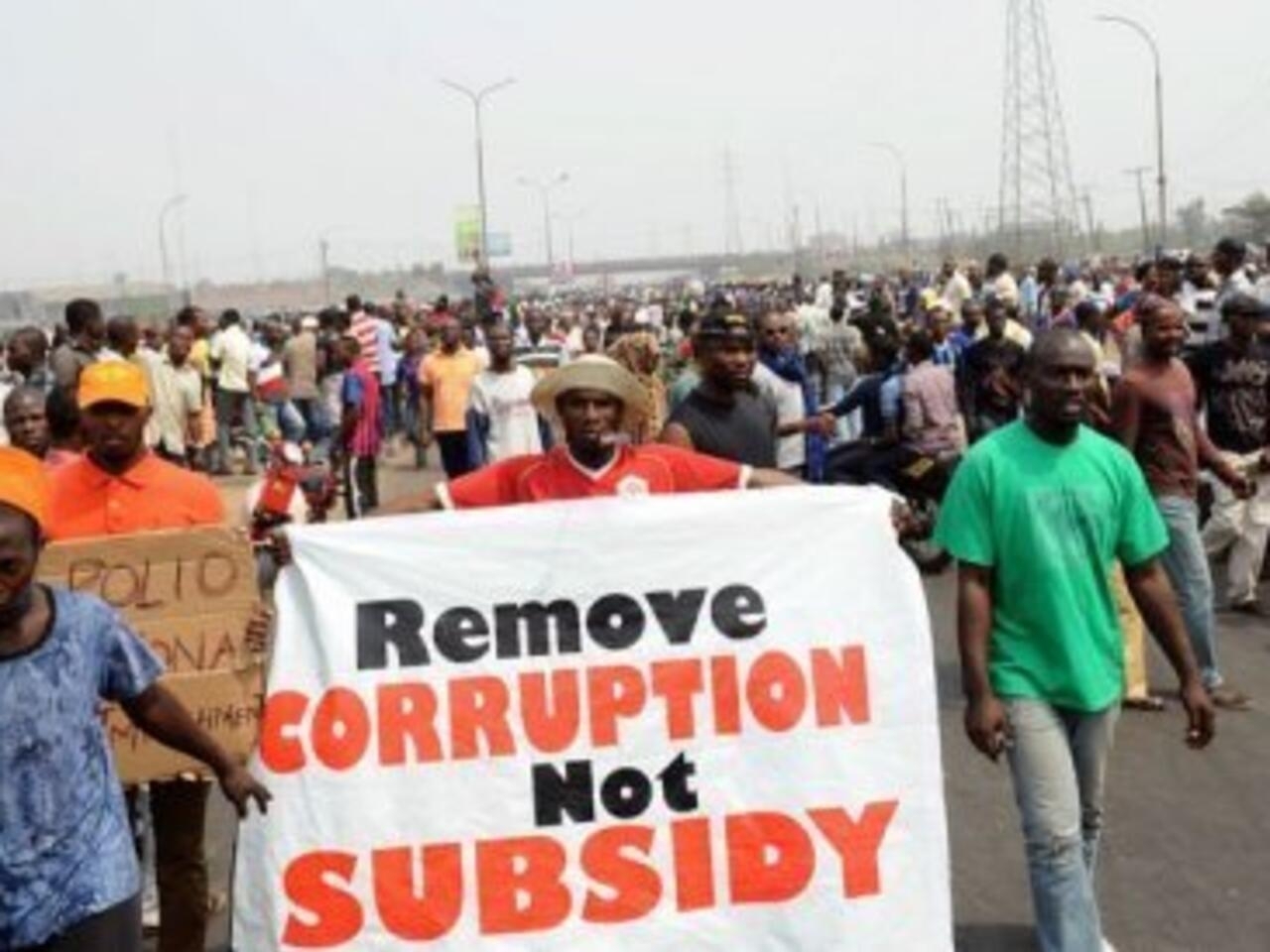
The burden has been particularly severe for low-income earners and vulnerable households. Traders pay more to move goods, farmers spend more to transport produce, workers spend more to commute, and families face rising costs for food and other household necessities. Across the country, many Nigerians have been compelled to adjust their lifestyles and make difficult economic choices. Economic reforms may be necessary, but they cannot be separated from human realities.
Economists, fiscal reform advocates, and energy sector analysts argue that the policy has improved government revenue, reduced dependence on imported fuel, encouraged domestic refining, and created opportunities for long-term economic restructuring.
Nevertheless, one of the major arguments for subsidy removal was that it would reduce fiscal pressure and dependence on borrowing. However, borrowing has not disappeared from public finance. The government continues to seek domestic and external loans to fund infrastructure projects and budgetary obligations.
This raises a critical issue. If subsidy removal was intended to free resources for development, citizens should be able to see where those resources are being invested. Nigerians deserve transparency regarding how savings from the policy are being utilised and whether they are producing measurable improvements in national development.
Citizens should see visible improvements in roads, public transportation systems, healthcare facilities, schools, electricity supply, agricultural support programmes, and social welfare initiatives. Without such dividends, public scepticism about the reform will inevitably persist.
The Constitution of the Federal Republic of Nigeria states in Section 14(2)(b) that the security and welfare of the people shall be the primary purpose of government. Economic policies must therefore be evaluated not only by fiscal outcomes but also by their impact on citizens’ welfare.
History shows that difficult economic reforms can succeed when citizens trust that the burden of adjustment is temporary and that the benefits will eventually be shared. Such trust is built through transparency, accountability, and tangible improvements in living conditions.
Subsidy removal has produced undeniable economic outcomes. Petrol imports have declined, local refining capacity has expanded, and government revenues have improved. These developments suggest that the reform aligns with the recommendations of many economists who have long argued that fuel subsidies distort markets, encourage inefficiency, and place unsustainable pressure on public finances.
Despite these gains, the experiences of workers struggling with transportation costs, farmers paying more for agricultural inputs, traders facing rising logistics expenses, and families battling persistent inflation demonstrate that the social costs remain substantial.
The true test of subsidy removal is not simply whether government expenditure has declined or fuel imports have reduced. It is whether ordinary Nigerians can genuinely say that their quality of life has improved. Economic reforms should strengthen both the state and the citizens.
Subsidy removal may ultimately prove to be one of Nigeria’s most consequential economic reforms. But its success will be measured not only by what it saves the government, but by what it delivers to the people.
Ucheckukwu is a 200-level student at the Department of Development and Strategic Communication, University of Abuja.